Ugo Ugochukwu becomes the first champion of the season in the CT-FROT, while the fight heats up at the Dubai Autodrome in both FRME and UAE4.


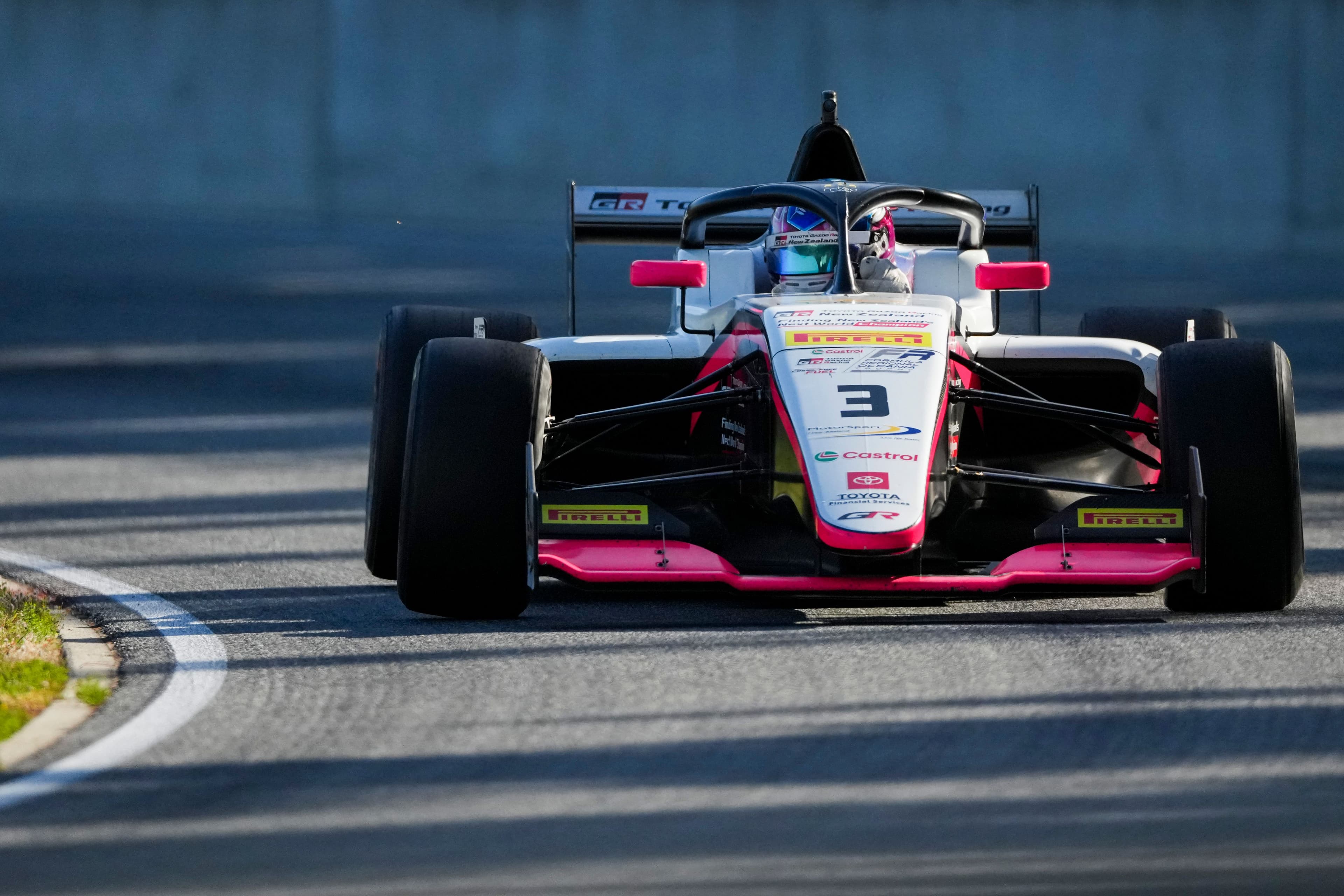
The final Formula Regional appearance of the Tatuus T-318 sealed Ugo Ugochukwu’s title success, while also marking another milestone for the Castrol Toyota Formula Regional Oceania and for Toyota Gazoo Racing New Zealand, organisers of one of the most exciting campaigns in the championship’s more than 20-year history.


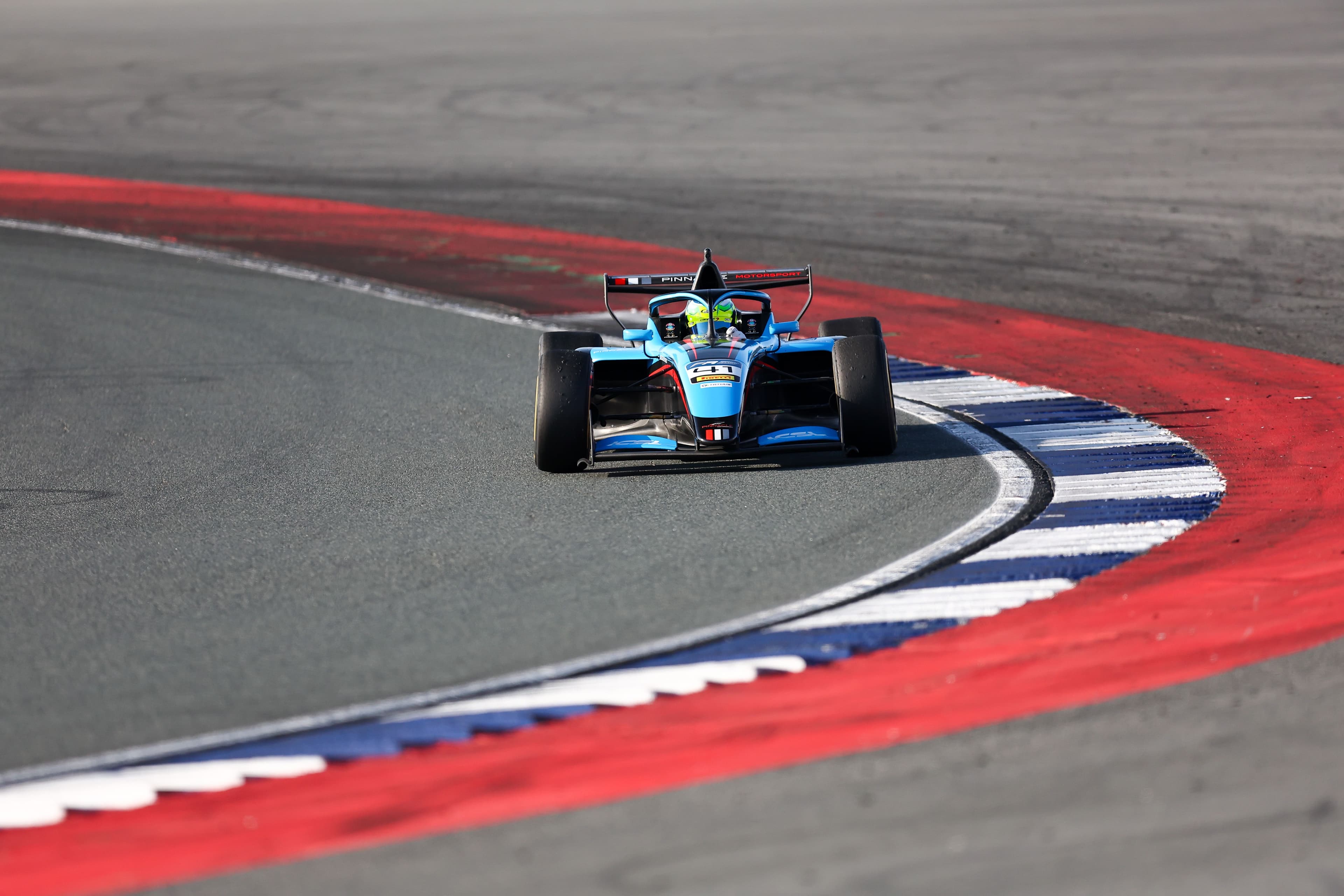
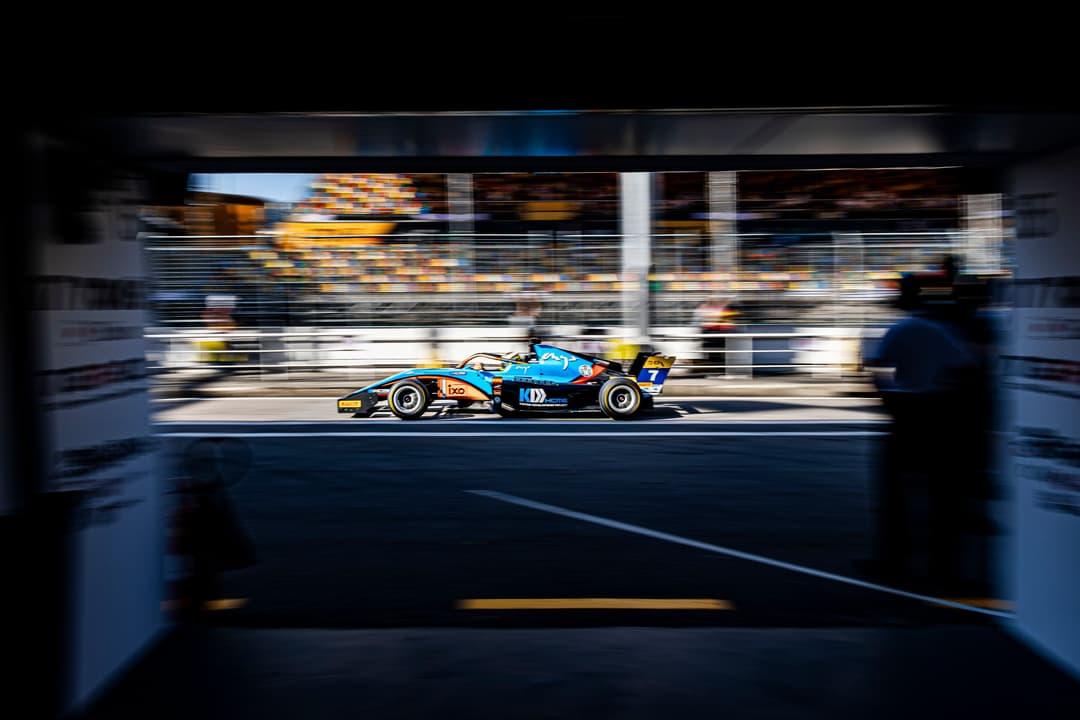
From New Zealand to the United Arab Emirates, the spotlight remained firmly on Tatuus machinery, with over 70 single-seaters competing across the two Formula Middle East categories promoted by Top Speed at the Dubai Autodrome.


Castrol Toyota Formula Regional Oceania

The final round of the CT-FROT season took place, as tradition dictates, at Highlands Motorsport Park, in the setting of the 70th New Zealand Grand Prix. A true celebration of passion and competition that began on Friday, when Freddie Slater (M2 Motorsport) claimed victory in the rescheduled race from Teretonga (Round 3), reopening the title fight.


Tension dominated every session, especially qualifying. At the end of Q1, Ugo Ugochukwu suffered heavy damage to the front-left suspension. The M2 mechanics completed a remarkable repair in the short break before Q2, allowing the American driver to continue and secure third place behind pole-sitter Jin Nakamura (Hitech TGR) and Ryan Wood (mtec Motorsport).
However, a post-session disqualification excluded Ugochukwu from Q2 and Q3, forcing him to start the New Zealand Grand Prix from 14th on the grid.


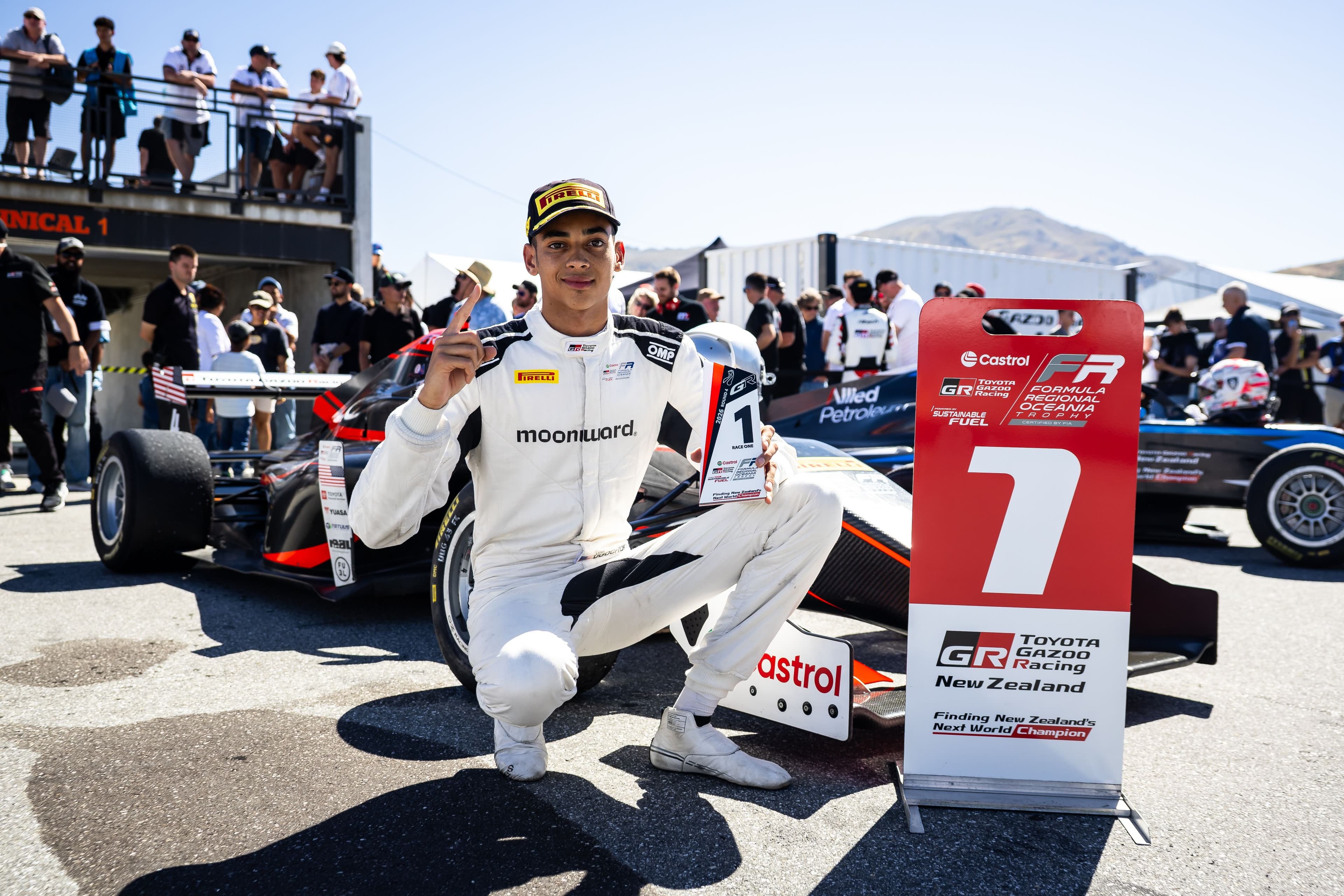
The championship leader responded immediately. In Race 1, Ugochukwu claimed a crucial victory ahead of Nakamura and Louis Sharp (mtec), with Slater finishing fourth.
Race 2 went to Kanato Le (Hitech TGR), followed by James Wharton (HMD with TJ Speed) and teammate Liam Sceats, winner of the 2024 New Zealand Grand Prix. Slater and Ugochukwu finished fifth and seventh respectively, leaving a 26-point gap with only the Grand Prix remaining.


The season’s main event delivered intense battles and multiple Safety Car interventions before Zack Scoular (mtec) secured his third win of the season in the 70th New Zealand Grand Prix, ahead of Nakamura, Kanato Le and Slater.


Ugochukwu’s recovery drive to ninth place proved enough to maintain a 16-point advantage and clinch the CT-FROT 2026 title, bringing an unforgettable season to a close and marking the final Formula Regional chapter for the T-318 (in FT-60 specification).


Formula Regional Middle East Trophy

The third round of the FRME unfolded at the Dubai Autodrome, delivering plenty of surprises and reopening the title fight ahead of the Qatar finale.


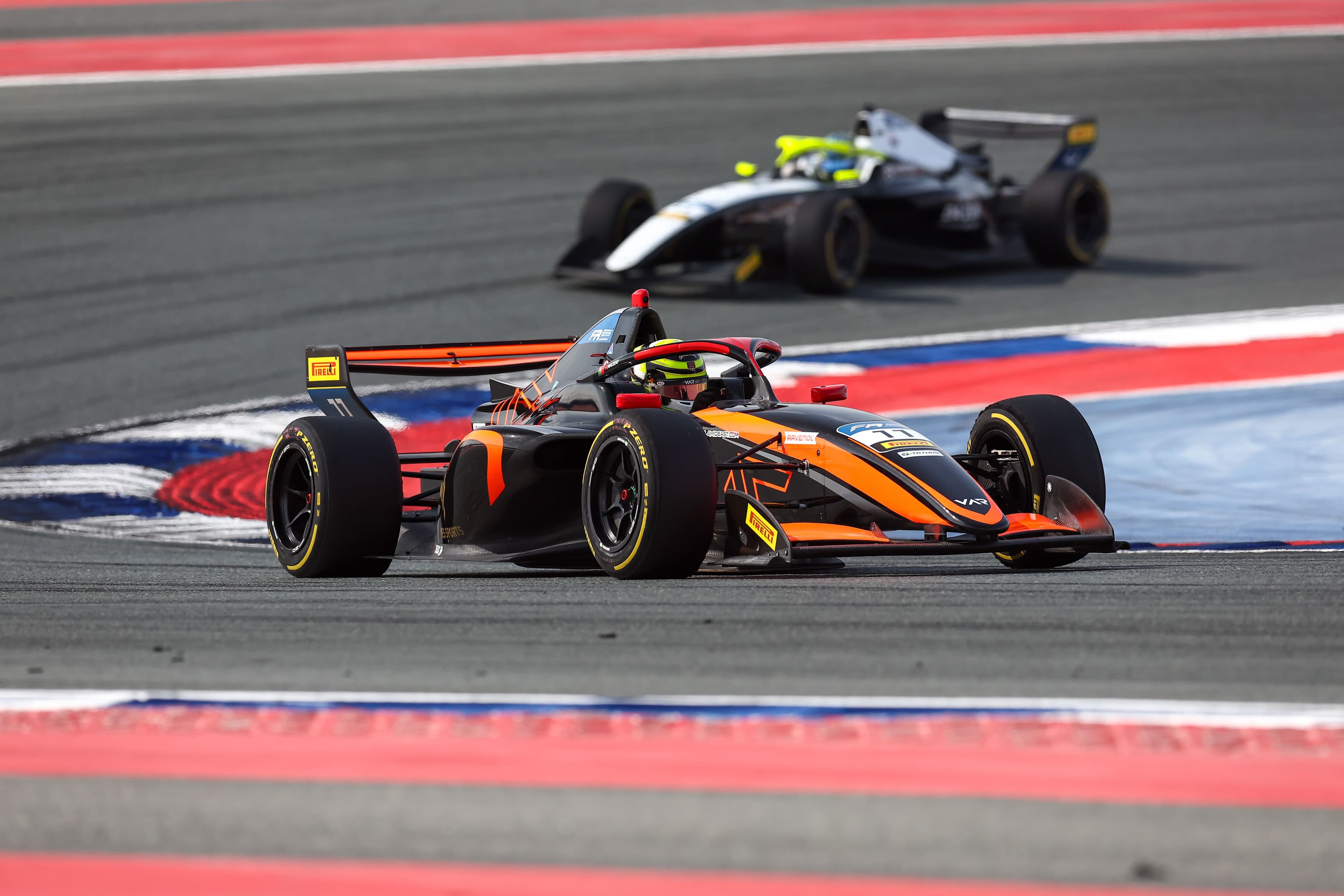
Three different winners across the three races and seven different drivers on the podium highlighted the competitiveness of the field. Race 1 was won by Taito Kato (ART Grand Prix), followed by Alexander Abkhazava (MP Motorsport) and Kean Nakamura-Berta (Mumbai Falcons).
The reversed-grid Race 2 saw Salim Hanna (Mumbai Falcons) take victory, ahead of Alex Ninovic (Rodin Motorsport) and Jan Przyrowski (RPM).


Abkhazava, the first race winner of the new Tatuus T-326 era, went on to secure victory in Race 3, ahead of Nakamura-Berta and Emanuele Olivieri (R-ace), making his championship debut.


Rashid Al Dhaheri (R-ace, Yas Heat livery) remains at the top of the standings, but his lead has been reduced to 24 points over Nakamura-Berta, with the decisive final round scheduled at Lusail from 11 to 13 February.


UAE4

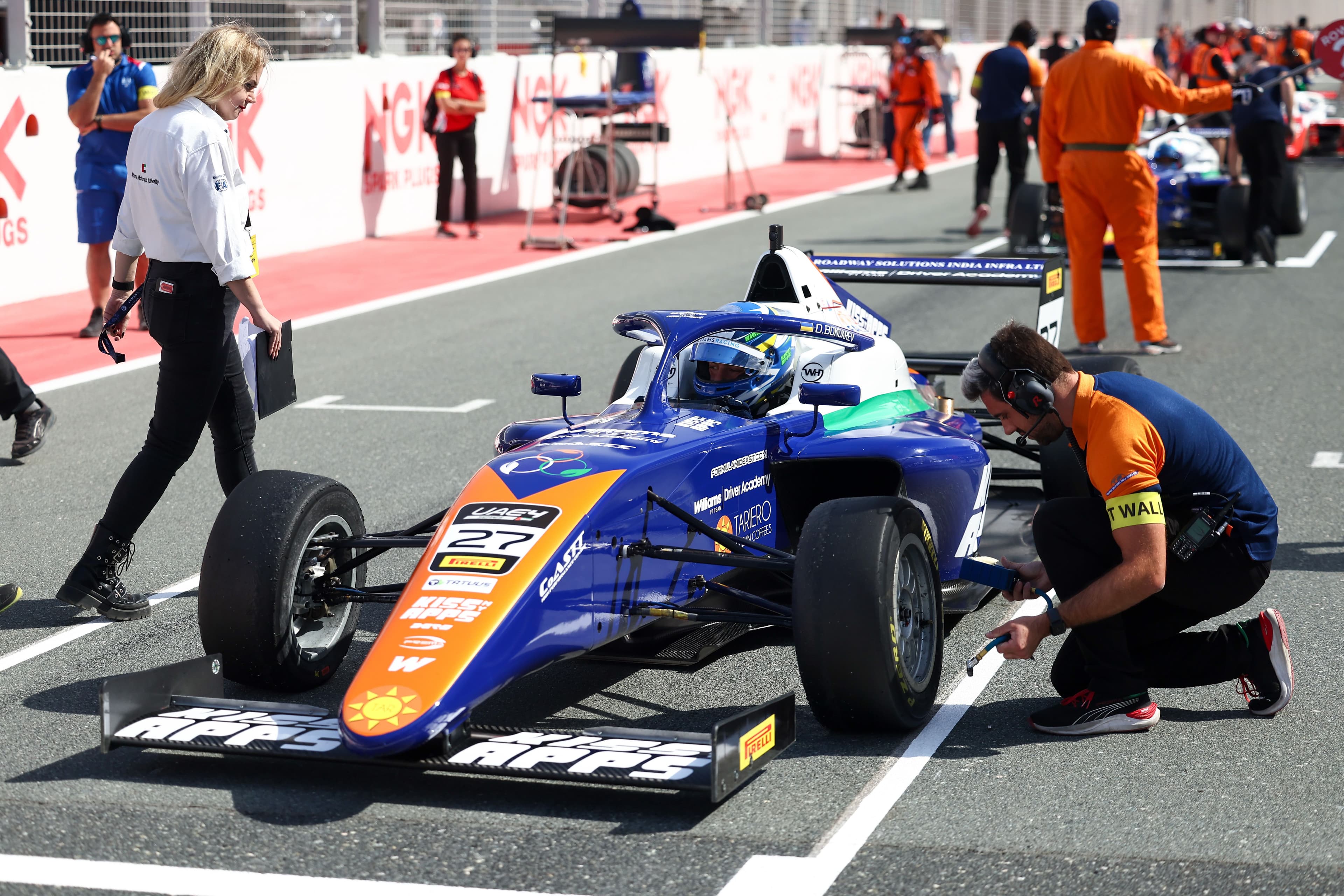
The duel continues in UAE4 between Oleksandr Bondarev (Mumbai Falcons) and Andy Consani (R-ace). Bondarev claimed victory in Race 3—his fourth win of the season—adding a second and a fourth place across the weekend.
Consani responded with two third-place finishes and a second, bringing his season tally to seven podiums from nine races.


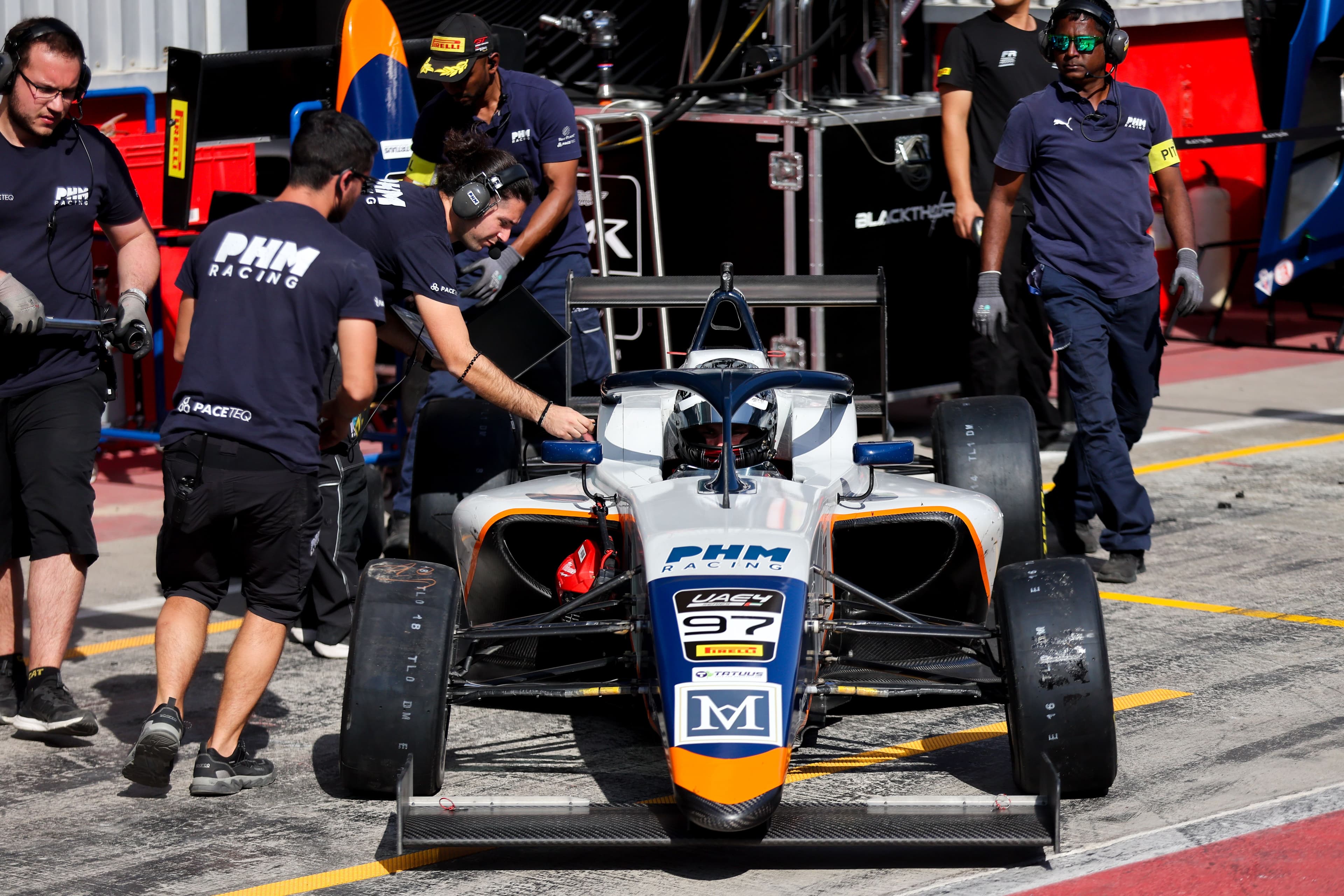
Kenzo Craigie (R-ace) also closed the gap, scoring his maiden Formula 4 victory in Race 1 and finishing second in Race 3. The reversed-grid race was won by Christian Costoya (Prema), with Consani second and Iacopo Martinese (PHM) third.


For the young talents of UAE4, the decisive showdown now moves to Lusail, as part of the final Formula Middle East weekend.
Share

Newsroom

Events, updates and latest news from the Tatuus world.
Stories
“Motorsport works like magic, capable of inspiring that uniquely Italian determination to keep believing in something even when the numbers don’t add up.”
The words of CEO Giovanni Delfino in an interview with la Repubblica.

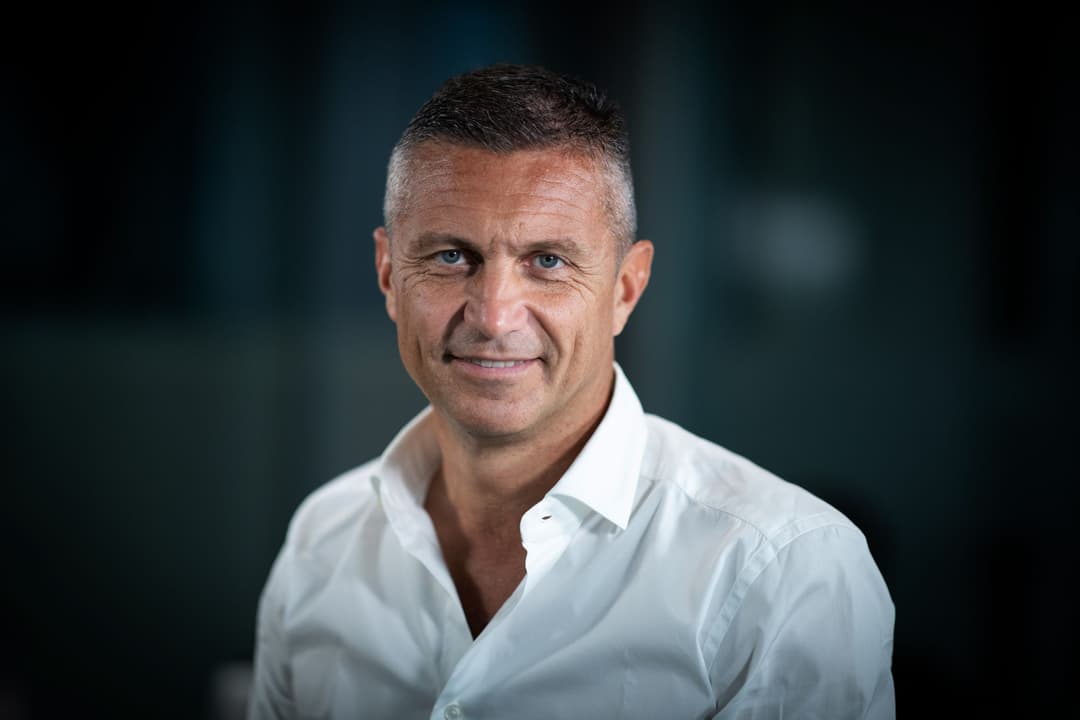
The CEO of Tatuus, ATM – Autotecnica Motori, and the Korus Group was featured in an interview published today in la Repubblica and written by Irene Saderini. During the conversation, he reflected on some of the most important and defining moments of his career, while also sharing his views on several aspects of the global motorsport industry.
The full interview is available on repubblica.it .

A Personal Journey A central theme of the interview is the CEO’s personal story, which began with his decision to pursue engineering studies and continued through a career marked by bold choices and decisive moments: “I don’t believe in luck; I believe in being able to seize it. When an opportunity comes your way, you have to recognize it. That said, it would be unfair to claim I wasn’t fortunate. I joined the company when I had virtually nothing. The founder allowed me to repay my debt over time, and I only finished paying the last installments two or three years ago.”
Delfino also spoke about his early years at Alfa Corse, where he developed his passion for experimentation and performance engineering: “At heart, I am a track engineer. I worked in the testing departments, where our job was to find that extra half horsepower from a finished product. My first experiences came in Alfa Romeo Touring Cars, with drivers such as Giovanardi, Tarquini and Larini competing against BMW and Mercedes. Sometimes those extra two horsepower were what won you the race.”

Formula 4 and Driver Development Among the key topics discussed was the production of Formula racing cars and engines, today one of the cornerstones of the Korus Group: “Everything starts with studying the regulations, which always leave room for interpretation—and success comes from finding the right one.” Speaking about Formula 4 engines, Delfino explained: “It all starts with a four-cylinder Fiat 500 Abarth unit. It must cost less than €16,500 due to the price cap and last 10,000 kilometres. My objective is to ensure that every engine performs the same.” The reward is seeing young talents progress step by step through the motorsport ladder and ultimately reach the highest levels of the sport: “It was particularly rewarding to see Andrea Kimi Antonelli begin his career in one of our cars.”

The Motorsport Industry The interview also included a broader reflection on the remarkable momentum motorsport is experiencing worldwide: “Motorsport sometimes works like a kind of magic, capable of overcoming marketing logic and keeping alive that uniquely Italian determination to believe in something even when the numbers don’t add up.”
Particularly representative of the Korus Group’s vision was Delfino’s perspective on internal combustion and electric powertrains: “For me, the smell of a winning engine is the smell of gasoline, hard work and sacrifice. A twelve-cylinder engine on track is like a violin—actually, an entire orchestra of violins. Racing is my world, and I find it difficult to see any of that emotion in batteries alone. Hybrid technology, however, is a different story. We are part of the FIA working group on the new regulations, and I find the hybrid approach very compelling.”
[...]
News
Tatuus Celebrates the 500th T-421, the World’s Most Widely Used Formula 4 Car
The Lainate-based manufacturer has celebrated the production and delivery of the 500th chassis of the single-seater on which Kimi Antonelli and Arvid Lindblad developed their careers.

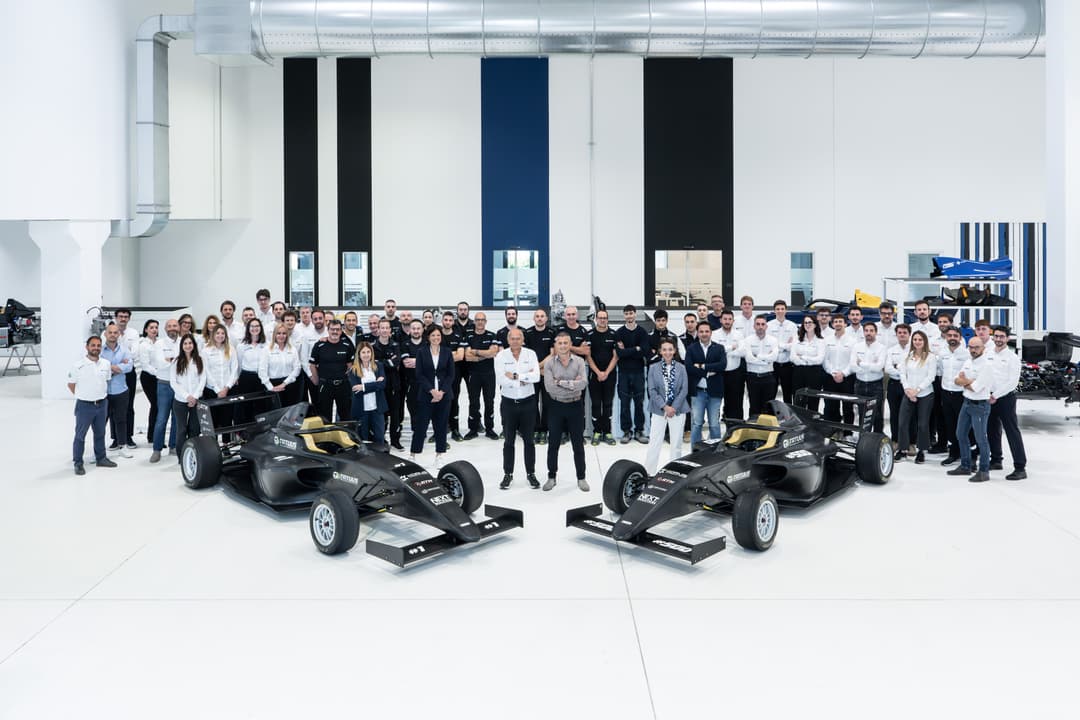
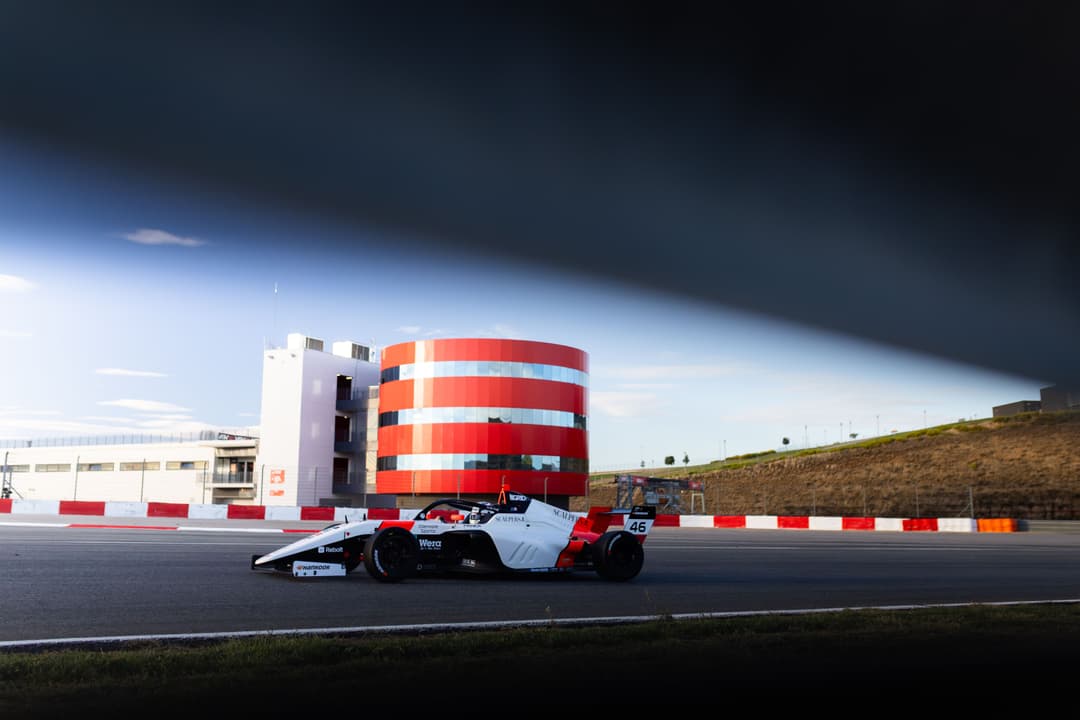
Born in 2021, the Tatuus T-421 reached its 500th unit produced and delivered in May 2026, once again confirming its status as one of the most manufactured and successful racing single-seaters worldwide. The milestone was celebrated by the Lainate-based brand together with all its employees and the sister companies of the Korus group, which contribute daily to the T-421 project: ATM–Autotecnica Motori, Breda Racing, and Next Solution Technologies.
Today, the T-421 is the most widely used Formula 4 car in the world, competing across 16 championships spanning Europe, the Americas, Asia, and Oceania. Behind its wheel, some of the most exciting talents in contemporary motorsport have developed, including Kimi Antonelli and Arvid Lindblad , who built the first steps of their single-seater careers in the second-generation Tatuus F4 before progressing all the way to the pinnacle of Formula 1.
“The 500th T-421 is not only a major milestone for Tatuus, but also an important achievement for the entire international motorsport ecosystem,” said Giovanni Delfino, CEO of Tatuus and the Korus Group. “With the introduction of Formula 4 in 2014, the FIA created a new pathway between karting and single-seaters, enabling drivers to arrive better prepared for higher categories. This model has established itself through years of significant growth in motorsport, during which many championships were launched and expanded, now reaching grids of nearly 50 cars per round with the second generation we celebrate today. These are figures that were difficult to imagine at the beginning of this journey, but which now define the everyday reality of many of the companies within the Korus Group.”
“Throughout Tatuus’ history, many of our models have achieved widespread adoption across global championships and have demonstrated unparalleled driver development capabilities,” added Gianfranco De Bellis, President of Tatuus and the Korus group. “The T-421 is writing an important chapter in the history of our brand and, together with the first-generation car, is now approaching 800 units produced. These volumes allow us to aim toward the milestone of 1,000 F4 single-seaters, a figure previously approached by the various Formula Renault models that marked a turning point in our history and in the development path of many drivers.”
As the second generation of Formula 4 single-seaters, the T-421 succeeded the T-014, which from 2014—the year Formula 4 was introduced—through 2021 was produced in just under 300 units. It represented the ideal platform for drivers transitioning from karting to single-seaters, and helped develop talents such as Lando Norris, Oscar Piastri, Max Verstappen, Isack Hadjar, Liam Lawson, Lance Stroll, Oliver Bearman, Gabriel Bortoleto, and Franco Colapinto.
The T-421 is just one of many examples of the cooperation that makes the Korus group one of the leading global ecosystems in motorsport engineering. The companies within the Group involved in the celebration have contributed to the project from day one, within a consolidated model of synergies that each year gives rise to new cars, powertrains, and solutions for motorsport.
Specifically, ATM–Autotecnica Motori developed and supplies the Abarth-derived inline four-cylinder engine that powers the car, while Breda Racing is responsible for a large portion of the components—such as the halo and suspension arms—as well as instrumentation required for managing the cars both on track and at HQ. Next Solution Technologies provides a significant part of the car’s electronic and electromechanical systems, in addition to supplying steering wheels and rain lights.
However, the milestone of 500 cars does not represent a finishing point for Tatuus. Production of the current model will continue through 2028 , when FIA regulations foresee the introduction of the third-generation car , on which the brands of the Korus Group are already actively working.

[...]